PingOne Verify
PingOne Verify is a SaaS solution that enables users to securely and conveniently verify their identity during registration/onboarding, account resets and password changes, or to perform higher-risk transactions.

Platform
Native App
Role
Product Design
UI & UX Design
Industries
Identity Security
Date
July 2023
Stakeholders
Andre Durant (CEO)
Diana Jougua (Product Manager)
Jeff Fal (UX Manager)
Team Members
Jeff Fal (UX Manager)
Donald Cox (UX Researcher)
The Impacts
Launched in late 2024, the Verify App bolsters the security posture across the Ping Identity product portfolio. This solution allows organizations leveraging SaaS solutions and cloud-native services to securely authenticate digital identities and authorize mission-critical transactions with high assurance.
75%
Reduction in fraud rate for a composite organization
3 to 4 times
Cost avoidance amount
19 percentage points
Onboarding conversion rate
54%
Minimize friction
Labor Cost Savings
Reduction in manual review time
KYC & AML
regulatory requirements with verifiable, high-quality data.


The Challenges
Balancing Security with Usability
Design an authentication experience that met enterprise security requirements without making the verification process feel complicated or frustrating for end users.
Reducing Friction During Verification
Simplify authentication flows for sensitive transactions by minimizing unnecessary steps while maintaining user confidence and trust throughout the process.
Supporting Diverse Enterprise Needs
Create a flexible authentication experience that could adapt to different organizations' branding, security policies, and verification methods without sacrificing consistency or usability.
The Audit
My first step was to experience the product from the perspective of a first-time user. I completed the entire authentication flow without any prior context, documenting each step from launching the app to successfully verifying my identity. This helped me identify areas of friction, understand the overall user journey, and uncover opportunities to make the verification process more intuitive.


Design Process
I use the UX team's Non-Linear Design Thinking process. The process helps us define the problem and objective of the project. I also found new ideas through multiple user testing rounds.

Empathize: customers gave feedback on the lack of identity verification while using Ping Identity products.
Define: stakeholders and UX team created the project based on customer's need to verify their organization workforce, or complete business transactions.
Ideate: stakeholders and I met regularly to brainstorm. I also met with UX team for feedback.
Prototype: I created wireframes to present to the UX team and stakeholders. I also presented new ideas while prototyping.
Test: UX researchers tested the prototype and presented the data. I used the data to determine if we need to revisit each process.
The Design
I established final mockups by following design principle practices and user research data.

One Action Screen
The design should not confuse the user

Make it Clear
The design should be easy to understand

Quick and Easy
The authentication should be fast and simple
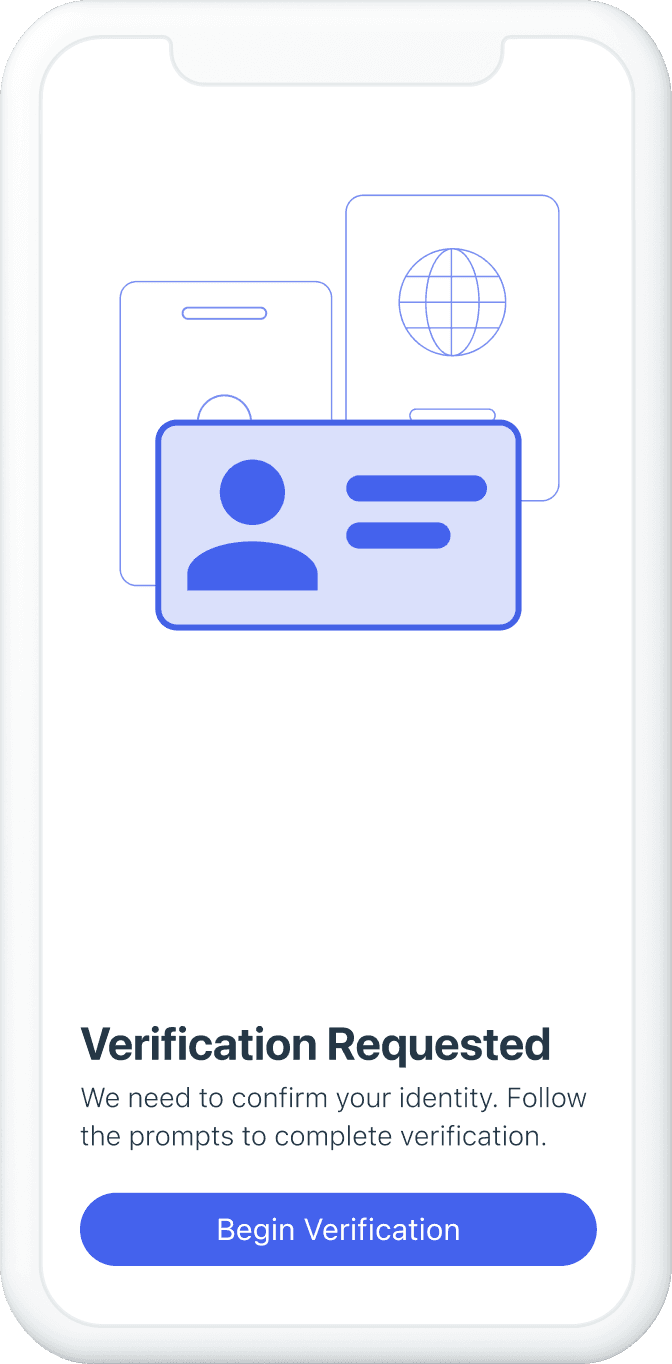
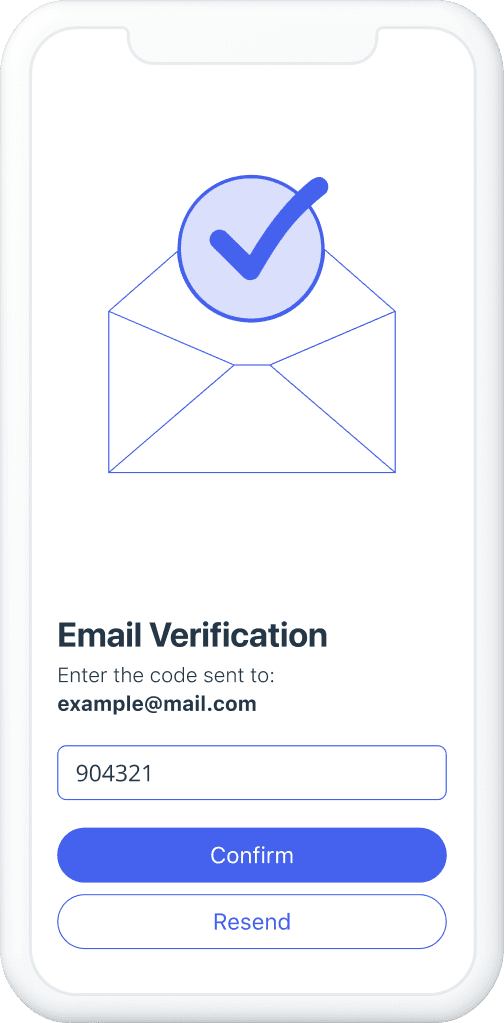
One Action Screen
I restricted authentication flows to one action per screen to minimize user confusion. In the voice verification process, this approach proved effective in guiding users to complete the task with clear instructions.


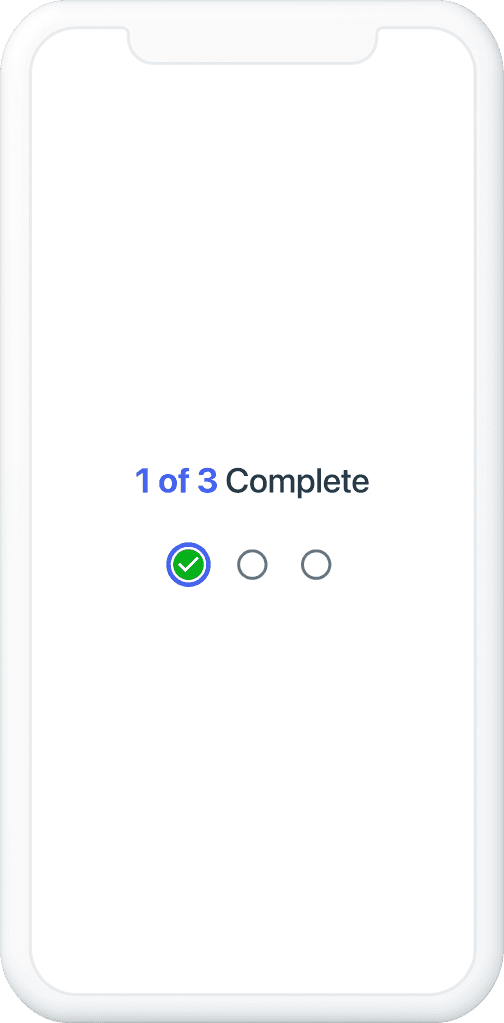


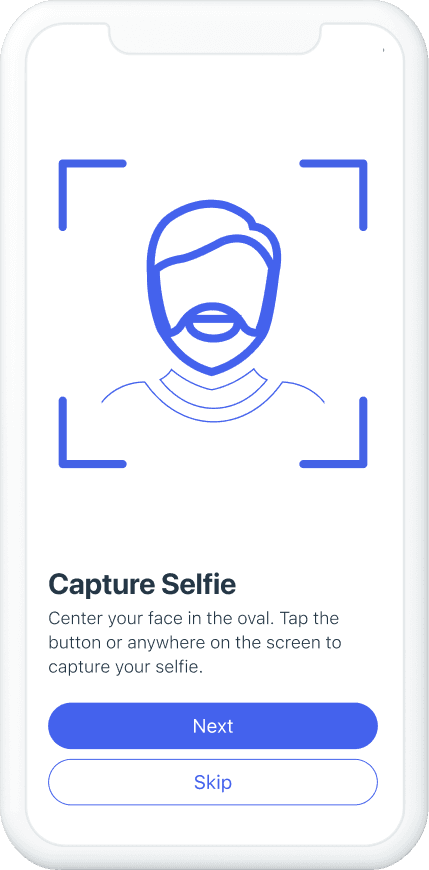

Make it Clear
The verification process is designed to be efficient, with a user-friendly interface and clear language to accommodate a diverse range of users.
Quick and Easy
Users are required to complete one or more verification steps to be authenticated. Our goal is to make the process as seamless and unobtrusive as possible.